




In conjunction with ambitious strategies for the development of, among other sectors, infrastructure, transport, green energy resources, and agriculture and food, the landmark National Spatial Strategy also underscores the importance of establishing new hubs to catalyse urban development and economic growth over the long term.
It moots the concept of Greater Cities centering on Muscat, Salalah, Suhar and Nizwa, alongside proposals for National Gateway Cities and Regional Hubs, as essential to the goal of creating “major engines of growth” across the country.
Explaining the rationale behind the concept, a report on the strategy noted: “The significant economic and population growth in these cities will require expansion of their urban containment boundary so that they integrate with their neighbouring settlements, which in turn will benefit from the opportunities available in the larger cities, leading to the emergence of Greater Cities concept, represented in Greater Muscat, Greater Salalah, Greater Suhar and Greater Nizwa.
"This shall enable these cities to provide high-quality services, qualifying them to be centers of innovation, creativity and advanced education, involving various sectors that provide services to a wider range of urban and rural areas.”
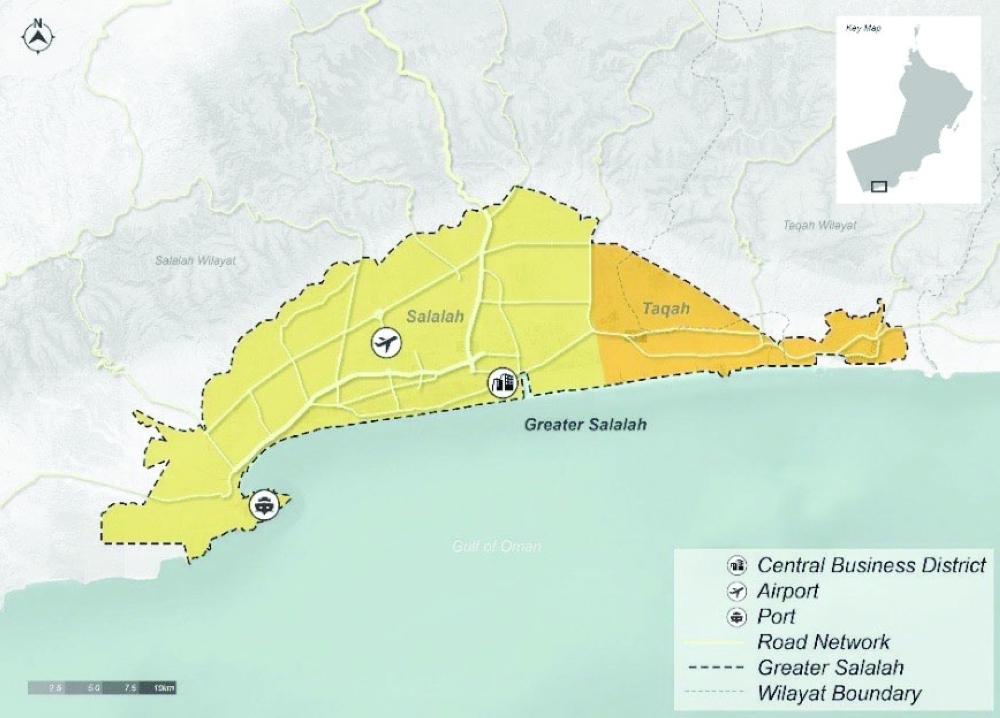
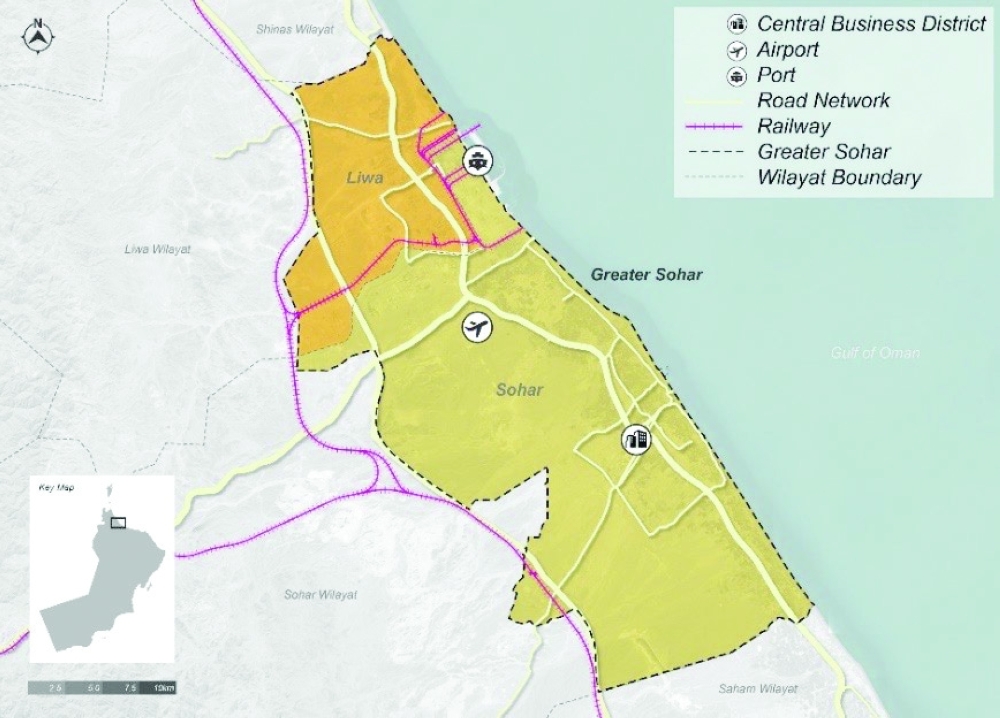
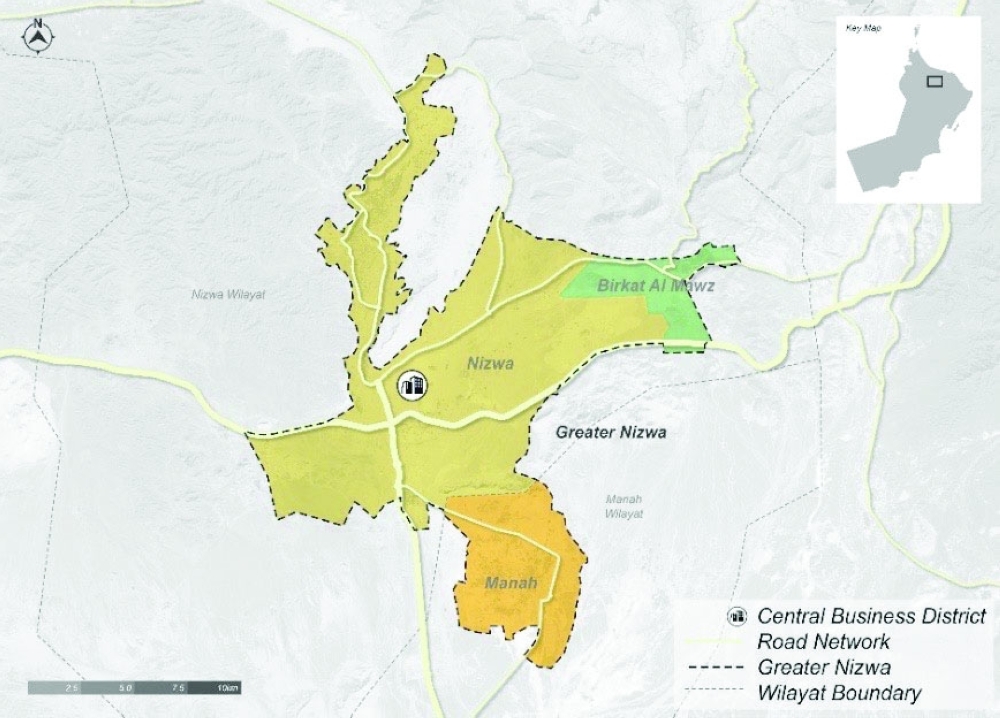
GREATER CITIES:
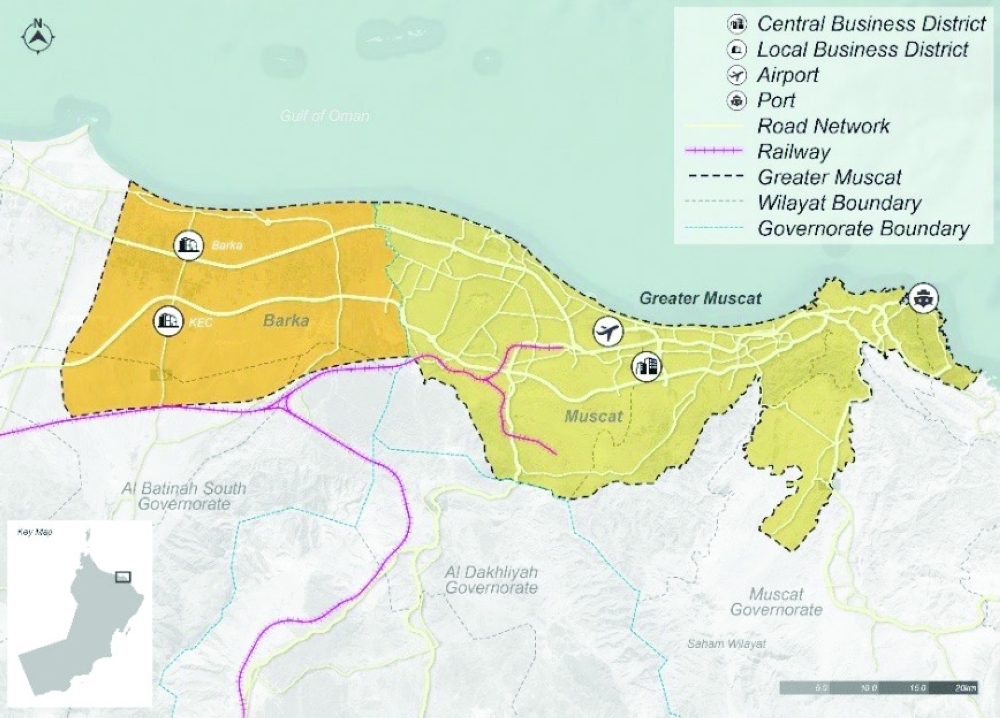
GREATER MUSCAT: With a diversified economic base, boosted by the inclusion of adjoining Barka, Greater Muscat will thrive around a finance, knowledge and innovation-based economy, supplemented by logistics and tourism. “The city emerges as a pioneer at the level of the Gulf Cooperation Council due to its natural characteristics attracting people to live, work and recreate altogether,” according to the report.
GREATER SUHAR: Together with Liwa, Greater Suhar has the potential to serve as the principal growth engine in Al Batinah North Governorate, with the accent on manufacturing and logistics.
GREATER SALALAH: Salalah’s integration with neighbouring Taqah will position the region as the “economic nucleus” of Dhofar Governorate, bolstered by the presence of a maritime port, airport and free zone and dedicated clusters for industry and logistics.
GREATER NIZWA: Nizwa, integrated with Manah and Birkat Al Mauz, will serve as a hub for knowledge and innovation, revolving around higher education, research, commercial services, marketing, mining and tourism.
NATIONAL GATEWAY CITIES:
Anchored by major ports, Salalah, Suhar and Duqm have the potential to evolve into National Gateway Cities by 2040 on the back of the sustained expansion of their ports, airports and industrial clusters. New Central Business Districts will emerge in each of these gateway cities, according to the report.
REGIONAL HUBS:
Key regional towns such as Al Buraimi, Ibri, Ibra, Al Rustaq, Sur, Haima and Khasab, will grow not only in their own right as administrative centres in their respective governorates, but also in their capacity as ‘service centres’ catering to the surrounding regions.
Oman Observer is now on the WhatsApp channel. Click here